The start of a new school year usually means a long supply list and a longer receipt. This year, Connecticut shoppers have a few things working in their favor, including one change that sticks around well past the first day of class.
Here’s what to keep in mind as you stock up.
Connecticut Has Eliminated Sales Tax on Nonelectronic School Supplies
As of July 1, 2026, Connecticut no longer collects sales tax on nonelectronic school supplies. That covers the everyday items that add up fastest: pens, pencils, crayons, notebooks, paper, folders, binders, lunch boxes, and more.
This is not a one-week promotion; the exemption applies every day of the year, going forward in perpetuity. Whether you’re buying in August or replacing a lost binder in February, the savings apply.
Only looking at Connecticut, the exemption is expected to save consumers roughly $6 million per year.
Sales Tax-Free Week Updates
Connecticut’s annual Sales Tax-Free Week also expanded this year. The price cap on qualifying retail items jumped from $100 to $300, and the list of eligible items grew to include backpacks and cleats.
If you missed the window this year, put a placeholder in your calendar for next August. Official 2027 dates haven’t been announced yet, but you can plan ahead for the purchases you already know will qualify. For families with fall sports or a child who needs a new backpack every year, timing according to the tax-free week is an easy win.
Educators: Don’t Overlook the Classroom Expense Deduction
For teachers who spend their own money on their classrooms, the tax code offers at least a partial offset. Eligible educators can deduct unreimbursed classroom expenses such as books, supplies, computers and related software and services, and other equipment used in the classroom.
A few things that make this deduction more useful than people expect:
- You don’t need to itemize. This is an above-the-line deduction, so it’s available even if you take the standard deduction.
- Two educators filing jointly can each claim it. The limit applies per eligible educator, not per return.
- Keep receipts as you go. Reconstructing a year of classroom purchases in March is far harder than dropping receipts into an envelope or a photo folder in September.
If you’re not sure whether a purchase qualifies or whether you meet the definition of an eligible educator, we’re happy to walk through it with you.
Verified Student and Teacher Discounts
Beyond the tax side, verification-based discounts are one of the more reliably overlooked savings channels.
ID.me offers discount programs for both students and teachers. Verification runs through your ID.me account, so it’s worth creating one if you haven’t already. Depending on the retailer, offers can include cash back or discounts reported as high as 40%. The range of participating merchants is wider than most people assume, everything from vehicle purchase discounts to movie tickets.
You can browse the current offers here:
- Students: shop.id.me/student
- Teachers: shop.id.me/teacher
Offers change, so check the page before a large purchase rather than assuming a discount you used last year is still active.
Don’t Stop at ID.me
Plenty of student and teacher discounts exist outside any verification platform. Two habits go a long way:
- Carry your school ID. Many in-store discounts are available simply by asking and showing it at checkout.
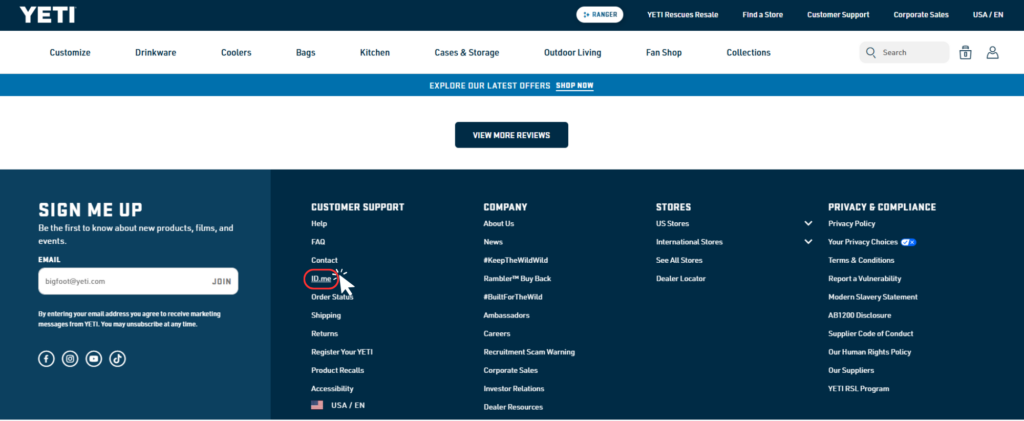
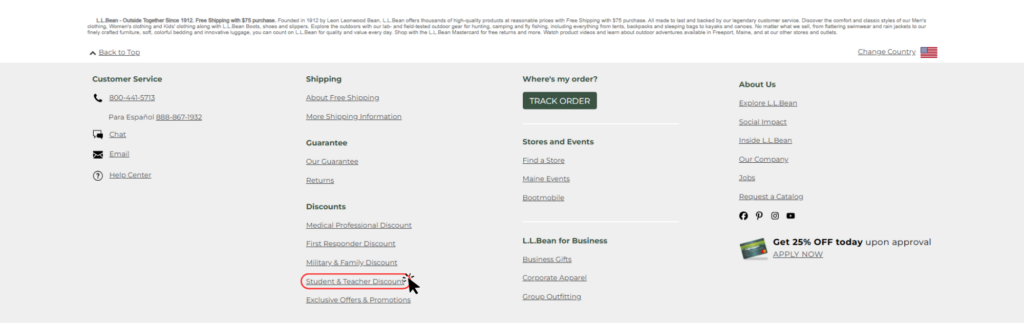
- Scroll to the footer. Retailer websites frequently list student, teacher, military, and first-responder discounts in the footer of the homepage.
Questions?
Sales tax rules, deduction eligibility, and recordkeeping requirements all have details that matter, and they’re easier to handle in September than at tax time. If you have questions about how any of this applies to your family or your classroom, reach out, we’re glad to help.